Our Centers Across the Region
"With locations across the region, centers are dedicated to serving local communities with excellence, accessibility & care—wherever you are."



.jpg)
Heavy Bleeding
Evaluation and treatment of heavy menstrual bleeding to restore normal, manageable cycles.
Bleeding is investigated for cause while also being treated for relief.
Iron levels are checked, since heavy bleeding often affects them.


"With locations across the region, centers are dedicated to serving local communities with excellence, accessibility & care—wherever you are."
Heavy periods can affect your energy, your plans and your confidence. Getting to the cause ÔÇö and treating it ÔÇö restores manageable, predictable cycles.

History, examination and ultrasound.

Medical treatment to restore normal flow.

Iron levels assessed where relevant.
Heavy bleeding is investigated and treated together, so relief doesn't come at the cost of missing an underlying cause.
History and ultrasound to look for fibroids, polyps or other causes.
Medication to regulate blood flow and reduce heaviness.
Review of symptoms and further investigation if needed.
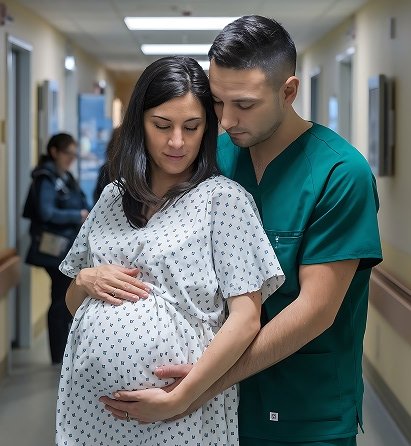
Needing to change protection every hour, passing large clots, or bleeding for more than 7 days are all signs worth discussing with your doctor.
Yes, prolonged heavy bleeding can lead to iron deficiency, which is why iron levels are often checked.
An ultrasound is commonly used to check for fibroids, polyps or other causes contributing to heavy flow.