Our Centers Across the Region
"With locations across the region, centers are dedicated to serving local communities with excellence, accessibility & care—wherever you are."


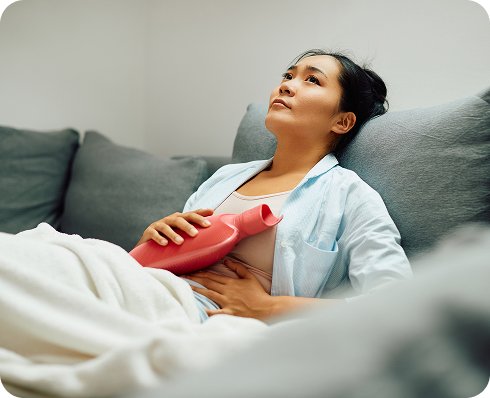
Practical education on menstrual hygiene and what counts as a normal versus problematic cycle.
What's normal and what's not is explained in plain, practical terms.
Practical guidance on products and habits, not just theory.

"With locations across the region, centers are dedicated to serving local communities with excellence, accessibility & care—wherever you are."
Understanding your own cycle builds real confidence. Clear education on what's normal ÔÇö and what needs attention ÔÇö sets a strong foundation from the start.

Clear explanation of a typical cycle.

Practical, simple advice.

Recognising signs that need medical attention.
Menstrual health education is a simple, ongoing conversation, not a one-time lecture.
Explaining what a normal menstrual cycle looks like.
Practical guidance on products and everyday habits.
Learning when period problems need medical attention.
Cycles can be a bit irregular in the first couple of years after periods start, gradually settling into a more regular pattern.
Extremely heavy bleeding, severe pain, or periods stopping altogether are signs worth discussing with a doctor.
This is a personal choice ÔÇö pads, tampons or menstrual cups can all be suitable, and guidance is available on using each safely.