Our Centers Across the Region
"With locations across the region, centers are dedicated to serving local communities with excellence, accessibility & care—wherever you are."




Close blood pressure monitoring and timely intervention to manage pre-eclampsia and keep mother and baby safe.
Regular blood pressure and urine checks catch warning signs early.
Treatment decisions always prioritise your safety alongside your baby's.


"With locations across the region, centers are dedicated to serving local communities with excellence, accessibility & care—wherever you are."
Pre-eclampsia needs vigilant monitoring. Early detection and timely treatment protect both you and your baby through pregnancy and delivery.

Regular BP and urine protein checks.

Medication or admission when needed to keep you safe.

Timing decided around your specific risk level.
Pre-eclampsia care is about staying one step ahead, with monitoring that adjusts to your changing risk.
Blood pressure and urine tests at each antenatal visit to catch early signs.
Medication and closer monitoring if pre-eclampsia is confirmed.
Timing and mode of delivery planned based on severity and gestational age.
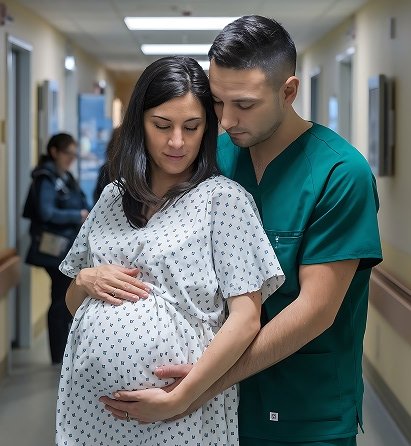
High blood pressure, protein in urine, swelling, headaches and visual disturbances are key signs to report immediately.
Low-dose aspirin may be recommended for high-risk pregnancies; regular antenatal monitoring is the best way to catch it early.
Not always ÔÇö mild cases can often continue closer to term with monitoring, while severe cases may need earlier delivery for safety.